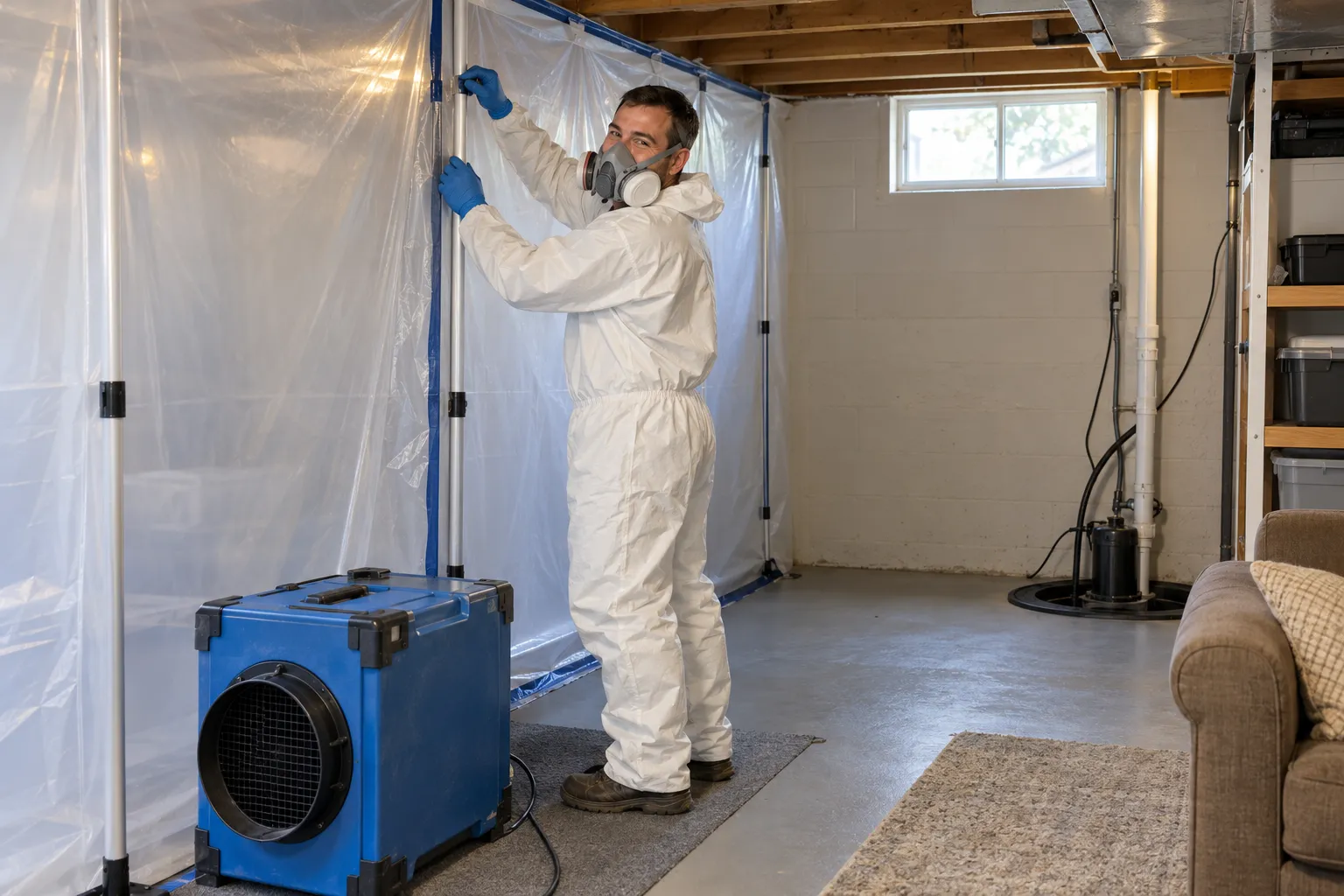
Mold remediation is the full process of finding, containing, removing and preventing mold in a home. It is more than wiping a wall. A good job cleans up the growth, deals with the damp that fed it, and leaves the space dry and ready for repair.
Premiumcharlotte Mold Help is a referral service. We do not do the work ourselves. We connect homeowners in Milwaukee, WI and the Milwaukee area with independent local providers who handle residential mold removal, including black mold remediation. This page explains the steps, what drives the price, and where a homeowner can safely help. Use it to price the problem, then compare written quotes before you choose.
Found Mold? Start Here
Stay calm. Mold is common, and most cases can be fixed. Your first moves matter, though.
- Stop the water if you can. Shut off a leaking supply line or move water away from the area.
- Keep kids, pets and anyone with breathing trouble away from the spot.
- Do not scrub, sand or spray bleach on it. That can spread spores.
- Do not point a fan at it. Air movement carries spores to clean rooms.
Then take photos and notes. They help when you ask for quotes.
Why a Small Patch Grows Fast
Mold needs moisture, food and time. Drywall, wood, carpet and dust give it plenty of food. Damp air gives it the rest.
In the Milwaukee area, hot humid summers and spring flooding make this easy. Cold winters add trouble too. Warm indoor air meets cold surfaces and turns to moisture. Catch it early. A spot the size of your hand costs far less to fix than a wall of it.
Early signs include a musty smell, peeling paint, bubbling drywall, new stains and damp corners in the basement.
DIY or Pro: Where to Draw the Line
Some jobs are fine for a careful homeowner. Others need pro gear.
Often reasonable to handle yourself:
- A small patch on a hard, non-porous surface like tile or a sealed tub edge
- Fixing a drip, a clogged gutter or a bad downspout
- Running a dehumidifier once the source is fixed
Better left to a provider:
- Growth across a large area, or anything that keeps coming back
- Mold in drywall, insulation, carpet or framing
- Mold in or near HVAC ducts
- Suspected black mold remediation jobs
- Anyone in the home has asthma, allergies or a weak immune system
When in doubt, ask a provider before you start. A quick question can save a costly mistake.
What Mold Remediation Includes
The exact scope depends on the home. Most jobs follow the same path.
The provider looks at the damage and sets a plan. They seal off the work area. They use filtered air equipment to catch loose spores. Then they remove materials that cannot be cleaned, such as soaked drywall or carpet padding. Solid surfaces get cleaned with specialty tools. The area is dried fully before anything is rebuilt.
Ask for this plan in writing.
Why Containment Matters
Disturbing mold sends spores into the air. Without barriers, they land in other rooms and start new patches.
Providers use plastic sheeting, sealed doorways and negative air machines. These keep air flowing into the work zone, not out of it. This is a big reason pro work costs more than a weekend clean. It is also why it tends to hold up.
Fix the Moisture or It Comes Back
Cleaning mold without fixing the cause is paying twice. Moisture is the real problem.
Common causes in local homes include sump pump trouble in full basements, hail or storm damage to roofs, poor grading, and leaky pipes in older frame houses. Bungalows and ranch homes often have small crawl spaces or slab edges that stay damp. Ask each provider how the source will be found and who fixes it. Some providers handle it. Others may point you to a plumber or roofer.
Price the Problem
Cost depends on size, materials, access and how much must be rebuilt. A small closet and a flooded basement are very different jobs.
What moves the price most:
- Square footage affected
- Type of material (drywall is easier than framing)
- Hard-to-reach spots like attics or crawl spaces
- Need for lab results or a clearance check
- Repairs after removal
Quote, then compare. Get at least two or three written quotes. Make sure each lists the same scope, or the numbers mean little.
Insurance and Your Policy
Policies vary a lot. Some policies may cover mold that follows sudden damage, like a burst pipe. Slow leaks and long-term neglect are often excluded. Check your policy and talk to your insurer before work begins.
Providers can often help document damage for a claim. Keep photos, receipts and written reports.
Choosing a Remediation Provider
Look for clear answers, not pressure. A solid provider should:
- Give a written scope with line items
- Explain the containment and drying plan
- Show proof of local licensing and insurance where your area requires it
- Say how they will confirm the work is done
Be careful with any quote that is far below the others. It may leave out steps. If you want certified mold testing, ask whether the tester is separate from the remediator. That keeps the checks fair.
After the Work Is Done
Ask for a final walk-through and, if needed, a clearance test. Then rebuild only once everything is dry.
Keep humidity under about 50 percent. Run a dehumidifier in the basement during summer. Clean gutters each season. Watch for new smells or stains. If something looks off, act early and ask the provider about a follow-up visit.
What's Included
Containment and Air Control
Plastic barriers and filtered air machines keep loose spores from drifting into clean rooms during the work.
Removal of Damaged Materials
Soaked drywall, carpet and insulation that cannot be cleaned are cut out and bagged for disposal.
Cleaning and Drying
Framing and hard surfaces are cleaned, then dried fully.
Moisture Source Check
The provider looks for the leak or humidity problem that fed the mold, so it is less likely to return.
What Remediation Typically Costs
Prices vary by job, home and region. These are typical U.S. ranges, not quotes. Size, materials and rebuild work change the total. Always get a written quote with a clear scope before work starts.
| Item | Typical range | Notes |
|---|---|---|
| Small area (under 10 sq ft) | $500 – $1,500 | Often one room or a single wall section |
| Moderate area (10–100 sq ft) | $1,500 – $4,000 | May include drywall removal and containment |
| Large or whole-room job | $4,000 – $10,000+ | Higher with framing damage or hidden spread |
| Crawl space or attic | $1,500 – $6,000 | Tight access raises labor time |
| HVAC duct cleaning for mold | $1,000 – $3,000 | Depends on system size and duct condition |
| Post-work clearance test | $300 – $700 | Confirms the area is ready for repairs |
How It Works
Reach Out
Request a callback to check provider availability, or fill out the request form with a few details.
Get Matched
A local provider in our network reviews your details and contacts you to plan next steps.
Compare Written Quotes
Review scope, price and timing from each provider. Ask about anything unclear.
Schedule the Work
Pick a provider, confirm the plan in writing and set a start date.
Why Call Premiumcharlotte Mold Help
Clear Scopes
Providers in our network are asked to put the work plan in writing so quotes are easy to compare.
Local Providers
You are matched with independent providers who know local damp basements, storms and older homes.
Fair Comparisons
We encourage getting several written quotes, so you can weigh price, scope and timing.
No Pressure
Request an estimate, ask questions, and decide on your own schedule.
Other Services
Need mold remediation in Milwaukee?
Questions about a musty smell or a dark patch? Request a callback to check provider availability, or send a quick estimate request.
No obligationMold Remediation FAQ
Can I remove mold myself?
A small patch on a hard surface can often be cleaned with care and good ventilation. Mold in drywall, insulation or larger areas is better left to a provider with containment and filtered air equipment.
How much does residential mold removal cost?
Typical U.S. costs run from about $500 for a small spot to $10,000 or more for large jobs. Size, materials and rebuild work drive the price, so compare written quotes.
Is black mold more dangerous than other mold?
Color alone does not tell you the risk. Any mold can cause trouble for some people. If you suspect black mold remediation is needed, ask a provider about testing and a safe plan.
Get in touch
Questions about a musty smell or a dark patch? Request a callback to check provider availability, or send a quick estimate request.
No obligation